Engaging for change
As active managers, engagement is a central component of our investment approach, and we use our voice as a catalyst to inspire positive social and environmental change. In the past three decades of engaging with companies in our portfolios, engagement has proved a powerful way of improving investee companies’ performance on a range of topics.

Engagement strategy
Our thematic priorities
Our thematic engagement priorities are focused on four areas where we seek to drive long-term change: A Just Climate Transition, Water Stress, Social & Financial Inclusion and Good Governance.

A Just Climate Transition
To achieve the Paris Goal of limiting global warming to 1.5°C, CO₂ emissions must fall by 45% by 2030, reaching net zero by 2050. At EdenTree we encourage all our holdings to set Science-Based Targets, and through our Climate Stewardship Plan, engage with the companies responsible for the majority of our financed emissions, seeking robust Climate Transition Plans. We are cognisant of the social impacts of the transition and are also committed to addressing the need for a just transition through this pillar.

Water Stress
Water is a finite resource, with a 40% shortfall in global freshwater supplies expected by 2030. This is a significant financial risk for companies as water stress affects production capacity, increases stranded asset risk and introduces reputational risk. At EdenTree we are particularly focused on addressing water sewage pollution in the UK, promoting positive water stewardship amongst our chemical companies, and supporting the phase-out of hazardous chemicals.

Social & Financial Inclusion
Inequality in income and wealth has been increasing for the past 40 years. Inequality is a systemic risk: it undermines social cohesion, erodes trust in institutions and fuels unrest. When we reduce inequality, everyone – including the companies we invest in – are better off. EdenTree play an active role in promoting inclusion, including through our work on diversity, responsible use of technology, and modern slavery.

Good Governance
Corporate governance is the system by which companies are directed and controlled for the long-term benefit of their shareholders. Good governance is rooted in transparency, accountability and trust, which fosters a culture of integrity and financial stability. These tenets are fundamental to serving as a responsible participant in the financial, societal and environmental systems companies operate in. Ultimately, good governance protects stakeholders, without whom companies would not have access to the capital, labour and natural resources offered by these systems.
Case studies
Engagement in action

Responsible Artificial Intelligence
Vodafone
Responsible Artificial Intelligence
Vodafone
Issue
As a telecommunications company, Vodafone uses artificial intelligence in operational systems and selected customer-facing functions. If not designed and governed appropriately, AI can reinforce bias and discrimination, compromise privacy, and produce opaque outcomes that are difficult to explain or remedy. Weak controls can therefore increase regulatory and legal exposure, disrupt operations and erode customer trust, negatively impacting society and, ultimately, long-term shareholder value.
Objectives:
- Publish an ethical AI policy and enhance disclosures.
- Conduct an explicit human rights impact assessment on AI.
Action
As co-leaders of the World Benchmarking Alliance’s Collective Impact Coalition on Digital Inclusion, we engaged Vodafone on ethical AI governance and disclosure. After an initial discussion in 2024, we held a follow-up meeting in 2025 to assess progress against our objectives and understand how its approach has evolved.
Outcome
Vodafone shared that it has made significant efforts to build AI literacy and ethical awareness across the organisation, fostering a culture of responsible innovation. We welcomed its risk-classification approach, which tailors safeguards to specific use cases. We were particularly encouraged by Vodafone’s risk classification mechanism, which goes beyond legal definitions of high-risk technologies to tailor safeguards to specific use cases.
Vodafone acknowledged that external disclosures lag internal practice. However, a formal policy is progressing through internal approval, supporting our objective for clearer public reporting of AI governance and risk management.

Water Stress and Hazardous Chemicals
Kemira
Water Stress and Hazardous Chemicals
Kemira
Issue
Water-related risks are increasingly material for the chemicals sector. Manufacturing processes can be water intensive, exposing companies to higher operating costs where water becomes scarcer or more expensive. Operations may also affect water quality through effluent discharges, and tighter regulation can raise compliance requirements and increase the risk of fines or operational disruption. Proactive water stewardship is therefore important to protect local water resources and strengthen long-term operational resilience.
Objectives:
- Set time-bound site-specific water withdrawal targets.
- Introduce a water stewardship strategy.
Action
In the second engagement meeting, we followed up on the points raised in 2024, with a particular focus on target setting, governance and progress towards defining site-specific water targets. We discussed how location-based targets can improve accountability and enable more meaningful measurement of performance, especially where risks vary materially by geography and production profile.
Outcome
Kemira demonstrated a clear maturity in its water strategy over the last 18 months. The company completed a double materiality assessment that identified water as a core risk, elevating water to a central pillar of its environmental strategy. Importantly, Kemira committed to set site-specific water targets that reflect local conditions, demonstrating clear progress towards the main engagement objective. Kemira also reported reductions in water consumption (down 7% since 2023) and continued expansion of its water-related solutions. We will continue engagement in 2026 to monitor implementation and encourage further ambition and disclosure.

Financial Inclusion in the UK
UK Building Societies
Financial Inclusion in the UK
UK Building Societies
Issue
In 2025, EdenTree launched a focused engagement to understand how UK financial issuers are identifying and closing inclusion gaps and how this connects to long-term financial resilience and fair consumer outcomes. We began with UK Building Societies as a pilot for this engagement due to their unique member-owned model and strong presence in savings and mortgages, core channels through which inclusion outcomes are delivered, while offering a relatively comparable peer set for establishing baseline expectations and disclosures.
Objectives:
- Confirmation of positive contribution to financial inclusion and accessibility in the UK.
- Confirm role in/support of the BSA’s efforts around financial resilience and the Government’s growth agenda.
Action
The pilot centred on structured dialogue and information requests with a focus on accessibility, while also touching on affordability and resilience. This approach is intended to be scalable, with learnings used to extend engagement to other UK financials over time. Alongside the pilot, we reviewed the Government’s newly launched Financial Inclusion Strategy, which sets out six focus areas: digital inclusion and access to banking, savings, insurance, credit, problem debt and financial education.
Outcome
The pilot phase indicated that building societies often demonstrate a clear customer and community orientation, but disclosure and outcome measurement are uneven. For example, there was limited information available from the majority around how inclusion initiatives translate into measurable customer outcomes, and limited evidence around support for groups facing persistent barriers (e.g., accessibility needs, mental health-related vulnerability, or economic abuse).
Going forward, we hope to refine a clear set of issuer expectations aligned to the Strategy’s pillars, deepen dialogue with pilot participants to improve transparency and scale the engagement to a wider set of UK financial issuers (e.g., banks and specialist lenders), embedding insights into our ongoing credit analysis and stewardship priorities.

Rollback on Strategic Targets
Lloyds Banking Group
Rollback on Strategic Targets
Lloyds Banking Group
Issue
Lloyds Banking Group made adjustments to its strategic climate and diversity objectives, which we deem to be less ambitious. Specifically, this included the removal of business travel from the operational emissions reduction target, and the gender and ethnic representation objective was narrowed from senior roles to the executive level only.
Objectives:
- Ensure accountability mechanisms are in place following the bank’s decision to remove underlying elements of its sustainability targets, or explore alternative options.
Action
We engaged with Lloyds to gain further insight into the rationale behind the decision to remove key components of its targets. In addition, we provided feedback on our views on why the changes to the bank’s sustainability targets signal a weaker level of ambition.
We also wanted to encourage transparency around accountability to ensure robust governance of the bank’s targets; especially as a UK-based institution operating in an environment that remains supportive of strengthening diversity and inclusion.
Outcome
Lloyds emphasised that the amendments to its targets serve only to align older targets with the bank’s updated forecasts. Since setting its decarbonisation targets, the need for international travel has increased due to operations opening in new regions.
Lloyds further noted that amendments to its diversity targets increased the bank’s ambition but focused it at the executive level. Despite these amendments, Lloyds remains a leader on a range of sectoral issues, and we will continue to monitor its position and governance going forward.
Who we work with
The power of collaboration
We seek to collaborate with our clients, peers, policymakers and NGOs to further our impact. We do this by participating in industry forums, actively engaging with investee companies, regulators and policy makers, and publishing thought leadership, all with the intent of effecting change. Detailed below is a list of the initiatives we are involved in.

PRI Advance - Human Rights
Principles for Responsible Investment
PRI Advance - Human Rights
The PRI is the world’s leading proponent of responsible investment. It works to understand the investment implications of environmental, social and governance (ESG) factors. It supports its international network of investor signatories in incorporating these factors into their investment and ownership decisions.
IIGCC - Banks Working Group
Institutional Investors Group on Climate Change
IIGCC - Banks Working Group
IIGCC brings the investment community together to work towards a net zero and climate resilient future.

Climate Action 100+
Climate Action 100+
Nature Action 100+
Nature Action 100+
IAAMR Investor Action on AMR
Investor Action on Antimicrobial Resistance
Investor Initiative on Hazardous Chemicals
Investor Initiative on Hazardous Chemicals

Microfibre Pollution Initiative
The Microfibre Consortium
30% Club Investor Group
30%+ Club, Path to Parity

Digital CIC on Ethical AI
World Benchmarking Alliance
Digital CIC on Ethical AI
Founded in 2018, the World Benchmarking Alliance is a non-profit organisation measuring how the 2,000 most influential companies impact people and planet. These assessments are freely available so that, together, we can hold companies accountable for contributing to sustainable development.
Share Action
Good Work Coalition
Our insights
Insights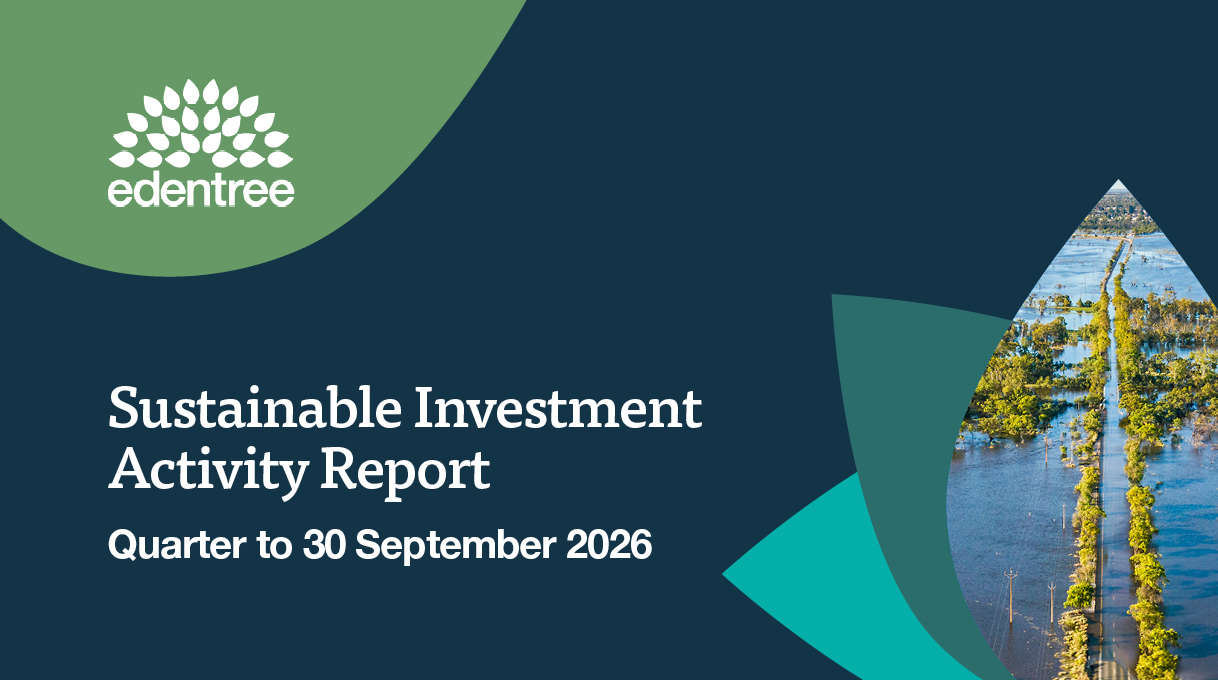
Sustainable Investment Activity Report Q3 2026
Our Sustainable Investment Activity Report for Q3 2026 explores our research and engagement across climate adaptation, responsible AI, financial inclusion and other key sustainability themes.
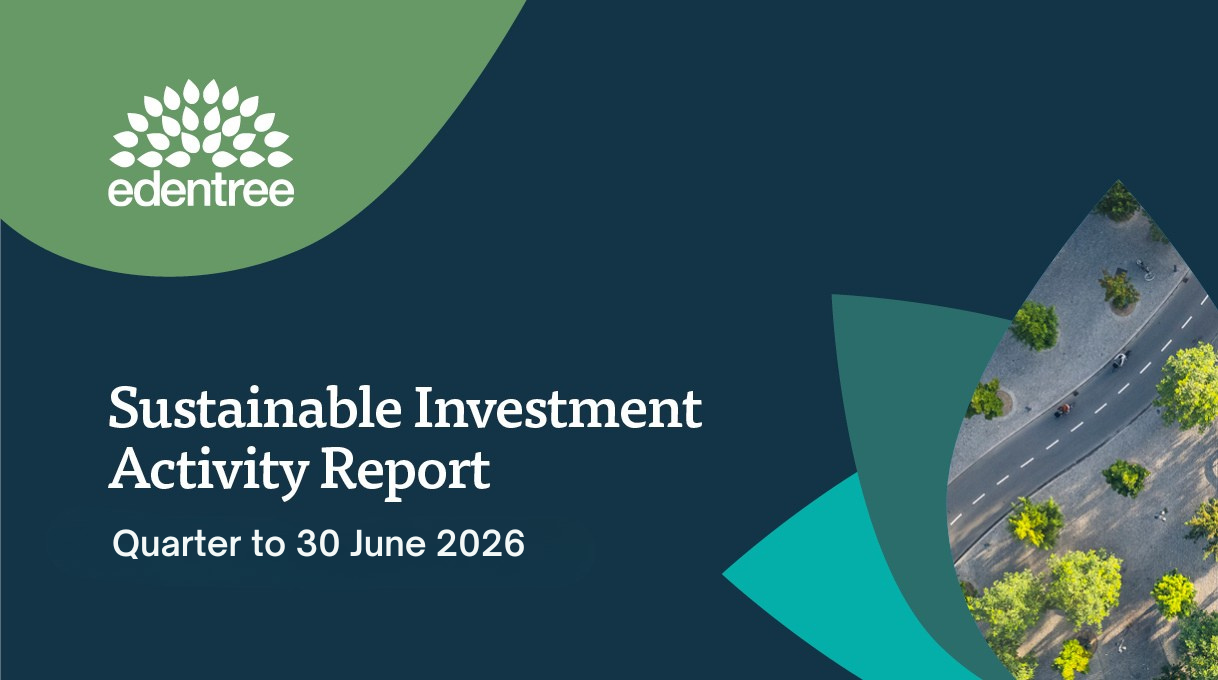
Sustainable Investment Activity Report Q2 2026
Our Sustainable Investment Activity Report for Q2 2026 comes at the end of another dynamic proxy season and outlines how we engaged with portfolio companies over the quarter, focusing on our four engagement priorities: A Just Climate Transition, Water Stress, Social and Financial Inclusion, and Good Governance.
Sustainable Investment Activity Report Q1 2026
Our Sustainable Investment Activity Report for Q1 2026 outlines how our Sustainable Investment Team engaged with portfolio companies over the quarter, focusing on our four engagement priorities.
Sustainable Investment Activity Report Q4 2025
This quarter, we announced plans to add SDR labels to all remaining unlabelled funds, moving us towards a fully labelled range. The report also details our engagement activity and proxy voting decisions.
Stewardship: A shared responsibility
As sustainable investors, we recognise our responsibility to all stakeholders, and this document demonstrates how we position stewardship as a central component of our investment approach.
Sustainable Investment Activity Report Q3 2025
This report details our meetings with our bank holdings on fossil fuel financing, continuing engagements on water use with chemical sector holdings and addressing the topic of human rights in AI.
Responsible Investment Activity Report Q2 2025
This report reviews a turbulent proxy season shaped by global shifts in corporate governance and investor voting behaviour, with highlights from our voting and engagement activities across key priorities.
Responsible Investment Activity Report Q1 2025
Amid rising geopolitical tensions and growing polarisation in sustainable investing, this report reaffirms our commitment to high standards and transparency, despite increasing “greenhushing”.
Responsible Investment Activity Report Q4 2024
This report highlights our sustainability priorities through targeted engagements on climate, waste, human rights in AI, and governance, alongside continued accountability through our voting activity.
Responsible Investment Activity Report Q3 2024
This quarter, we continued to engage on our thematic priorities to drive change on key sustainability issues, including the second engagement with our highest emitters under our Climate Stewardship Plan.
Responsible Investment Activity Report Q2 2024
In this report, it highlights the advancement with engagement themes and strengthened our voting strategy, including pre-declaring votes at key AGMs and using voting to escalate where needed.
Responsible Investment Activity Report Q1 2024
This report comes at a time of change for the UK asset management industry, with the FCA’s SDR and labelling rules promising to bring much-needed clarity to the sustainable investment market.